
Craps can feel like a loud, fast-moving table game until you work out where the casino actually makes its money. The house edge is simply the mathematical advantage the operator holds over the long run, built into every bet on the layout. Once you know which wagers carry that edge and which ones keep it thin, you can play with your eyes open instead of guessing.
How the edge sits inside the layout
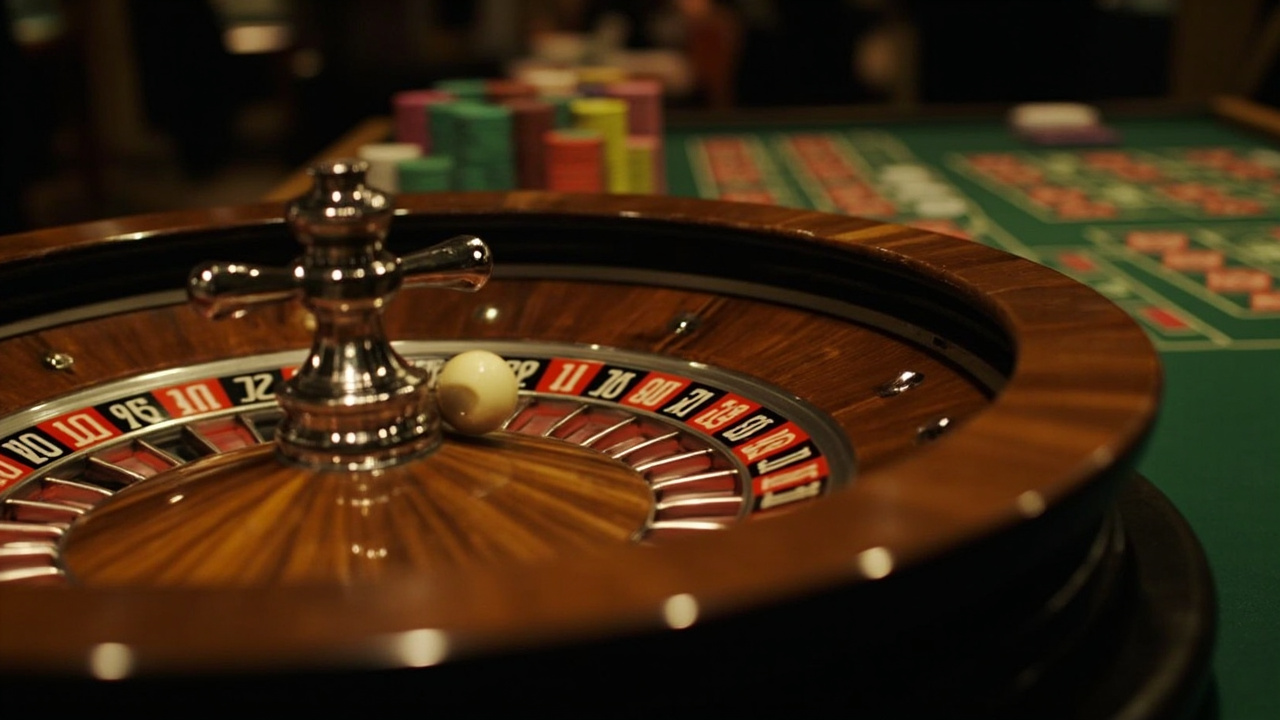
The core of craps is the pass line and don’t pass line, both of which start with a very small house edge once the point is established. The real damage comes from the proposition bets in the middle of the table, where the edge climbs sharply because the payouts do not match the true odds. A smart session usually means sticking to the outer bets and treating the centre bets as a occasional flutter rather than a plan.
For players who prefer a more controlled betting environment, moving away from the center bets and sticking to the line wagers is the most reliable way to manage variance. If you want to compare how different online platforms structure their side bets, you can review the payout tables at jackp0t-j1ll-vip-login.com before placing any wagers. Ultimately, keeping your focus on the pass line or don’t pass line will preserve your bankroll far better than chasing the high-risk center bets.
If you are comparing tables across a Brisbane hotel or a local club, the maths does not change, but the pace and limits often do. Some venues run slower rolls with lower minimums, which can stretch a bankroll further than a busy arvo session with high table limits. That is where the edge matters most in practice, because a smaller edge repeated over more rolls still compounds in the operator’s favour.
Where the numbers actually bite
Pass line and don’t pass basics
The pass line carries a house edge around 1.41 per cent, while the don’t pass sits slightly lower once you account for the bar roll on 12. Those figures are modest by casino standards, which is why experienced players use them as the backbone of a session. You are not beating the game, you are simply choosing the least unfavourable spot on the felt.
Odds bets and why they matter
Once a point is set, taking odds behind your pass or don’t pass line is the one wager with zero house edge. The casino pays true odds on that portion, so the more you back with odds, the more you dilute the overall edge on your money. The catch is that odds bets have no house protection either way, so they amplify both winning and losing streaks without softening either.
Proposition bets and the expensive middle
The centre of the table is where the edge jumps, with single-number props often sitting near 11 to 16 per cent depending on the payout. Hardways and any-seven wagers are even more punishing over time, which is why they are treated as entertainment bets rather than a strategy. If you want to keep the session affordable, treat those wagers like buying a round for the table rather than chasing a serious result.
| Bet type | Approx. house edge | Practical note |
|---|---|---|
| Pass line | ~1.41% | Solid starting point, low edge |
| Don’t pass | ~1.36% | Slightly better on the bar roll |
| Pass line with odds | Edge diluted | Odds portion has no edge |
| Any seven | ~16.67% | High edge, short-term fun only |
| Hardways | ~9-11% | Slow pay, edge adds up fast |
Who this actually suits
Craps is not the easiest table game to walk up and play on a whim, so it suits punters who do not mind learning a few rules before the first roll. If you prefer a quiet bet with a clear edge figure, the pass line and don’t pass with odds are the obvious fit. If you are after a lively table with plenty of action, the centre bets can be fun in small doses, provided you accept they are the most expensive part of the layout.
For Australians used to sports betting or simple slot sessions, craps can feel over-complicated at first, but the maths is straightforward once you ignore the noise. The players who stick with it are usually the ones who decide in advance which bets they will make and which ones they will leave alone. That discipline matters more than any superstition about dice control or lucky throws.
When I look at supplier launches and operator-ready positioning, I usually judge a new table game offer by how clearly it explains the cost of play to the customer. The best commercial setups do not pretend the edge away; they make the maths obvious so punters can choose their spot on the table without surprises. That same logic applies here, because a game that hides its edge tends to create complaints later, while a transparent layout keeps the session cleaner for everyone.
Some operators reckon a busier table with more proposition action is better for hold, since the higher-edge bets keep the revenue ticking. Others argue that a cleaner pass-line-focused table builds longer sessions and better trust, even if the short-term hold is softer. Both views have a point, and the right balance depends on whether the venue wants a quick turn or a steadier crowd.
If you are sorting out where to play, it is worth checking the table limits and the pace of the room before you commit, especially around Brisbane venues where the crowd can change by the hour. A slower table with sensible minimums often beats a frantic session where the edge is the same but the roll speed works against you. No worries if you are still learning; the main thing is knowing which bets are cheap and which ones are not.